Spiti Valley: The Middle Land Beckons - Image 1
Spiti Valley: The Middle Land Beckons - Image 2
Spiti Valley: The Middle Land Beckons - Image 3
Spiti Valley: The Middle Land Beckons - Image 4

Spiti Valley: The Middle Land Beckons

Journey to the roof of the world where ancient monasteries guard secrets in a cold desert paradise

Enquire Now: +91 7347018076
Spiti ValleySpiti Valley

Spiti Valley Tourism – About Spiti Valley

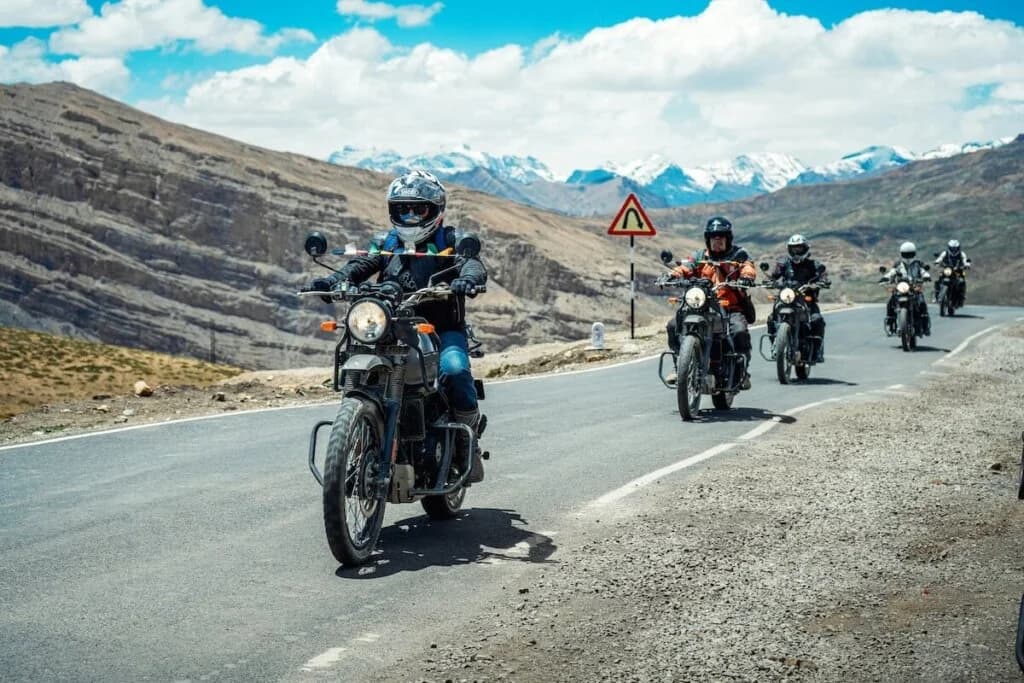
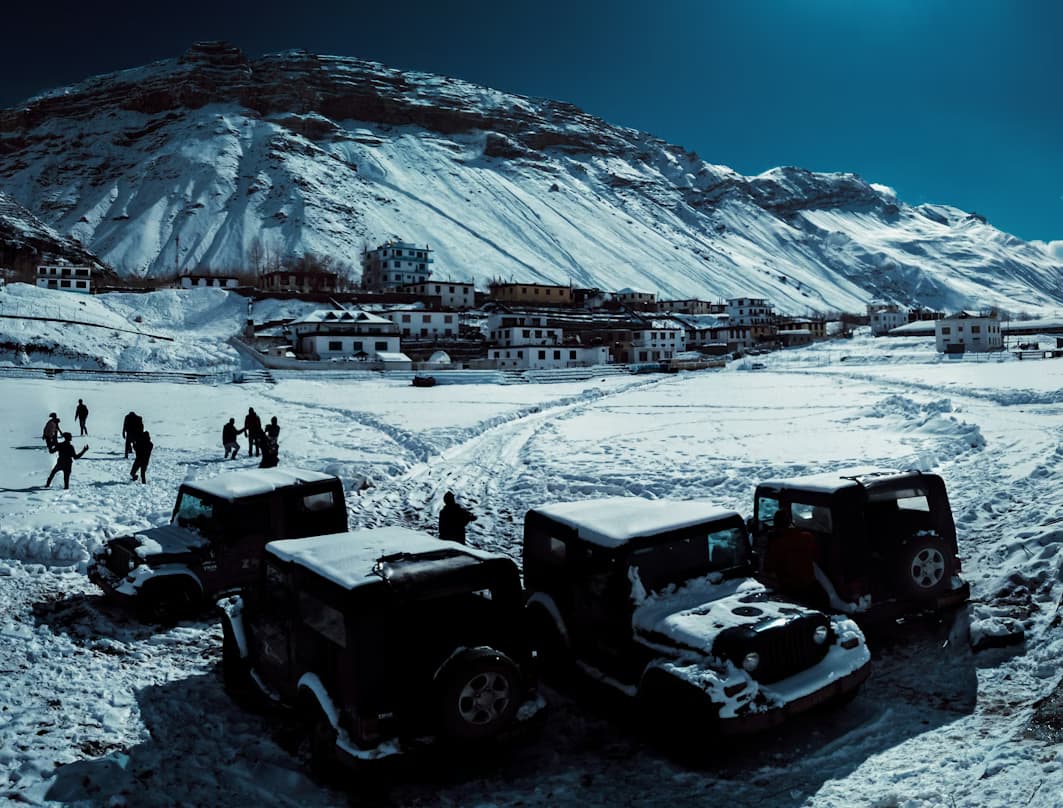
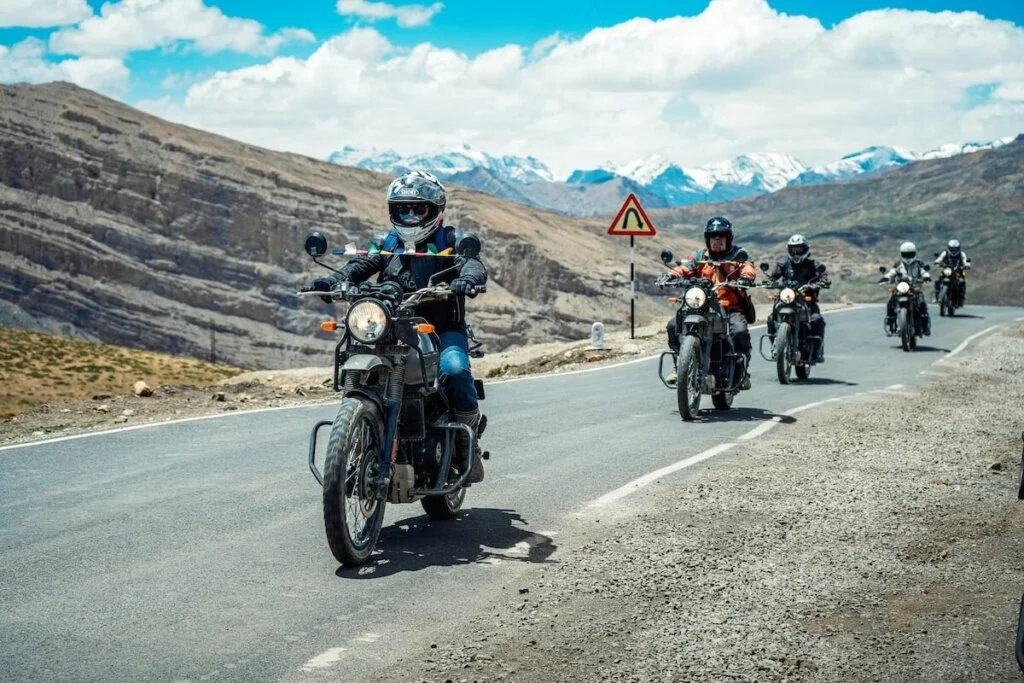
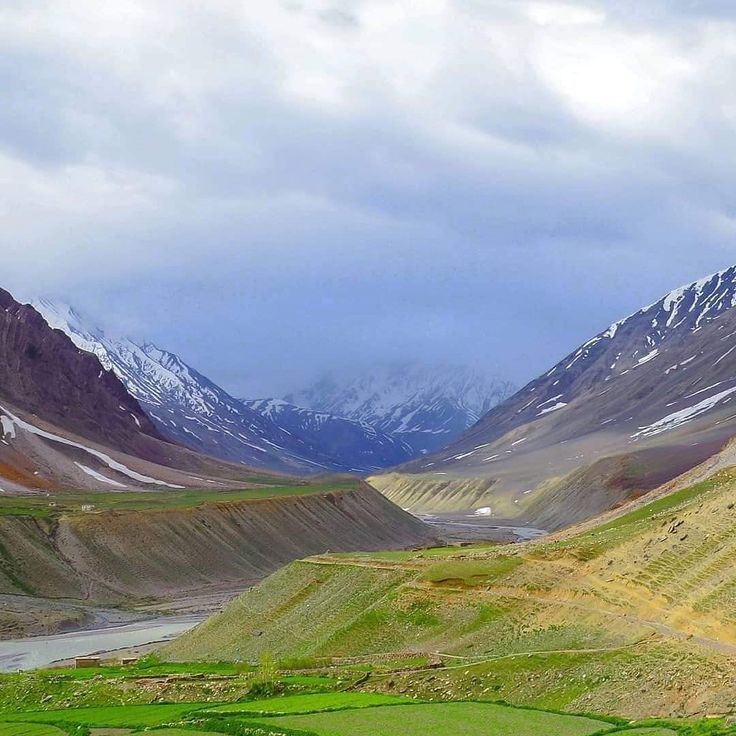
Spiti Valley sits in the rain shadow of the Himalayas at altitudes ranging from 3,000 to 6,000 meters, creating a high-altitude cold desert where barren mountains meet azure skies in landscapes that seem otherworldly. Meaning 'The Middle Land' between India and Tibet, Spiti remained isolated from the modern world until 1992, preserving Tibetan Buddhist culture in ancient monasteries like Ki, Tabo, and Dhankar that have stood for over a thousand years. The Spiti River carves through this desolate beauty, connecting villages where traditional mud-brick homes cluster around gompas, and where locals practice a way of life unchanged for centuries despite the harsh climate and seven-month winter isolation.

  • Ancient Buddhist monasteries over 1,000 years old
  • High-altitude cold desert landscapes
  • Accessible only June to mid-October
  • Preserved Tibetan Buddhist culture
  • Challenging road trips via Manali or Shimla

Places to Visit

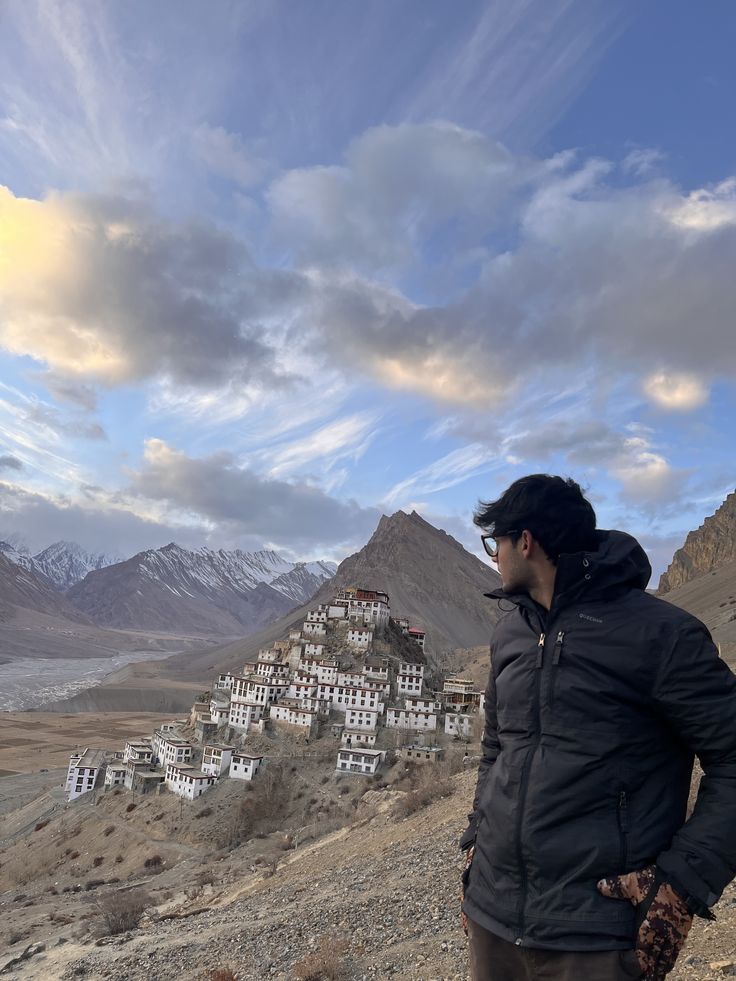
Key Monastery

Key Monastery

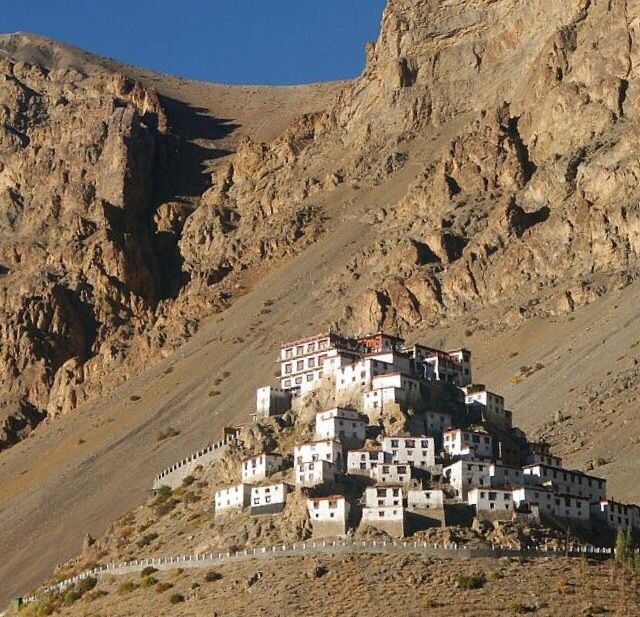
Thousand-year-old Gelugpa monastery perched dramatically on a hilltop at 4,166 meters. Home to 300 lamas, it houses rare Buddhist scriptures, murals, and weapons. The fortress-like structure has withstood earthquakes and invasions across centuries.

Tabo Monastery

Tabo Monastery

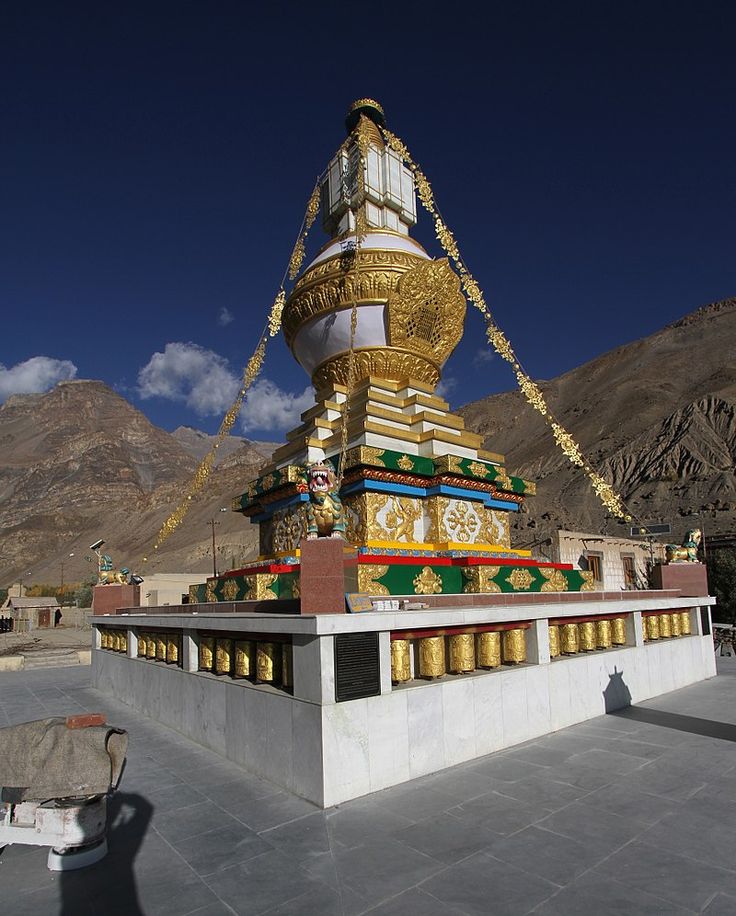
Founded in 996 AD, this UNESCO World Heritage site is the Himalayas' oldest continuously operating monastery. Exquisite frescoes and stuccos from the 10th century remain remarkably preserved in the cold dry climate.

Dhankar Monastery

Dhankar Monastery

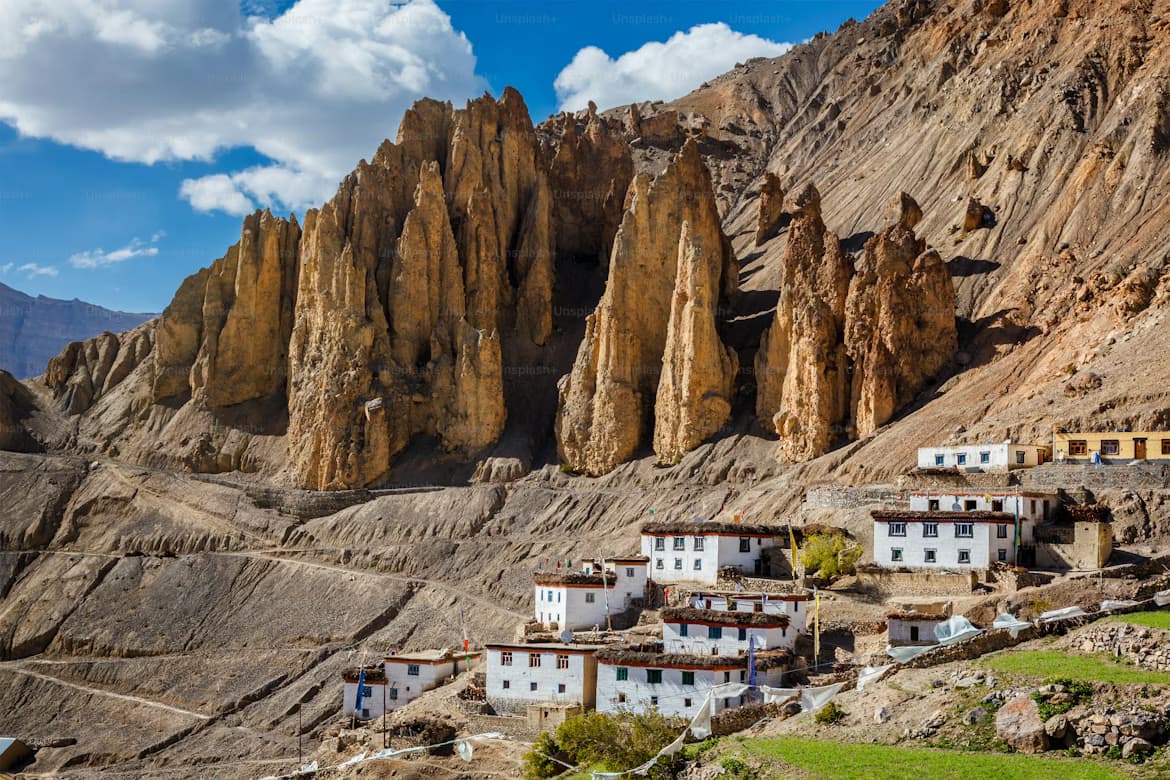
Precariously perched monastery-fort at 3,894 meters overlooking Spiti and Pin river confluence. The thousand-year-old gompa houses a four-armed Dhayan Buddha statue. Trek to Dhankar Lake offers additional high-altitude rewards.

Pin Valley National Park

Pin Valley National Park

Home to endangered snow leopards, Siberian ibex, and Himalayan wolves across 675 sq km. The valley opens June to October for trekking through landscapes where wildlife sightings reward patient observers.

Hikkim

Hikkim

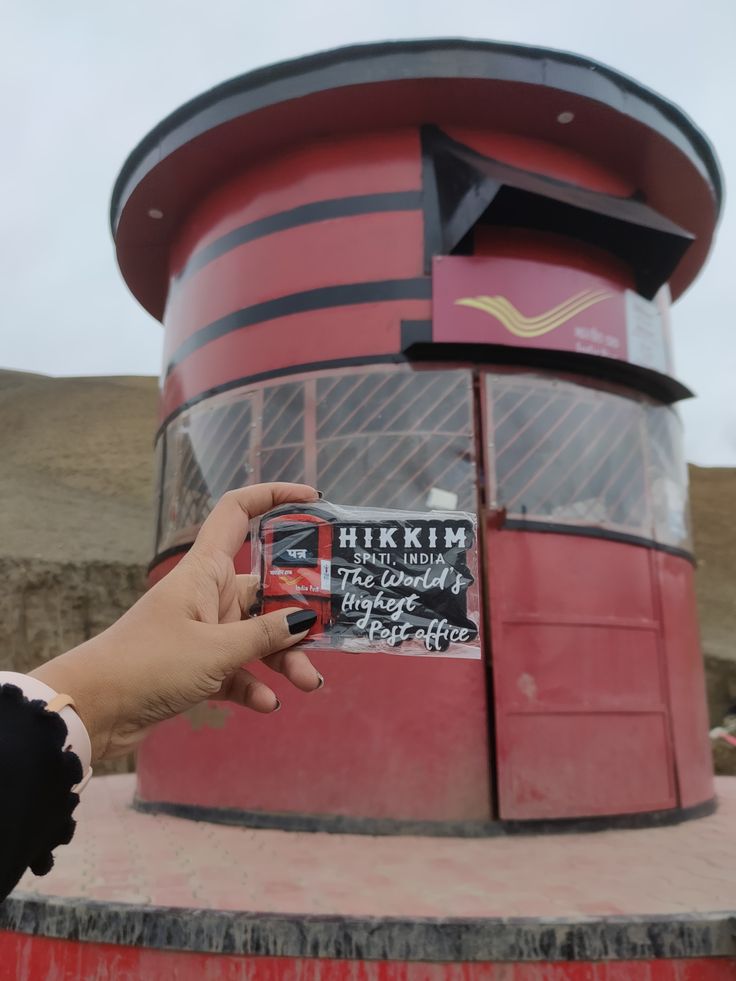
World's highest post office at 4,440 meters where you can mail postcards from the roof of the world. The village of 100 residents maintains traditional lifestyle despite extreme altitude and climate.

Chandratal Lake

Chandratal Lake

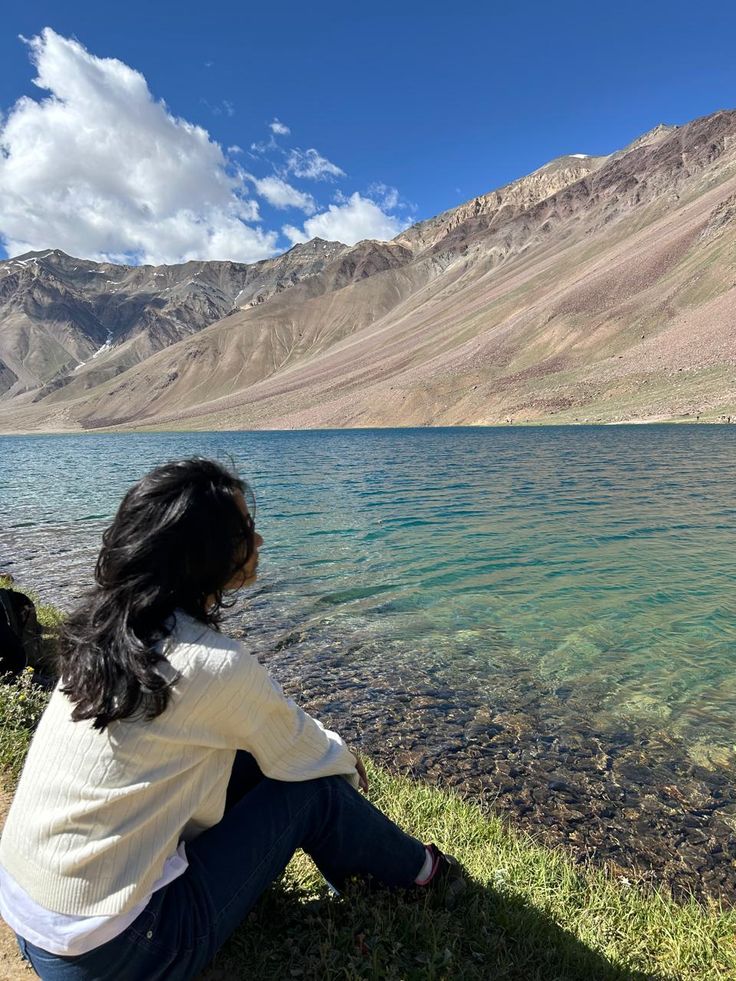
Moon Lake at 4,300 meters glows with surreal blue-green waters surrounded by barren mountains. Accessible from June to September, camping beside this pristine lake offers stargazing unmatched by light-polluted regions.

Popular Spiti Valley Tour Packages

Spiti Valley Circuit (via Manali)

Spiti Valley Circuit (via Manali)

7 Nights / 8 Days

Manali → Kunzum Pass → Kaza → Key → Dhankar → Chandratal → Manali

Spiti–Kinnaur Grand Loop

Spiti–Kinnaur Grand Loop

10 Nights / 11 Days

Shimla → Kinnaur → Nako → Tabo → Kaza → Pin Valley → Manali

Quick Spiti Explorer

Quick Spiti Explorer

5 Nights / 6 Days

Manali → Kaza → Key → Tabo → Chandratal → Manali

Nearby Destinations from Spiti Valley

Lahaul Valley

90 km

Green valley contrasting Spiti's barrenness, accessible via Kunzum Pass. The region's potato cultivation and Buddhist monasteries attract fewer tourists than Spiti, offering peaceful exploration.

Kinnaur

180 km

Apple and cherry orchard region on the Shimla route with mixed Hindu-Buddhist culture. Chitkul village marks India's last inhabited settlement before the Tibet border.

Kibber

16 km

One of the highest inhabited villages globally at 4,205 meters. Starting point for snow leopard tracking expeditions and Kibber Wildlife Sanctuary exploration.

Langza

15 km

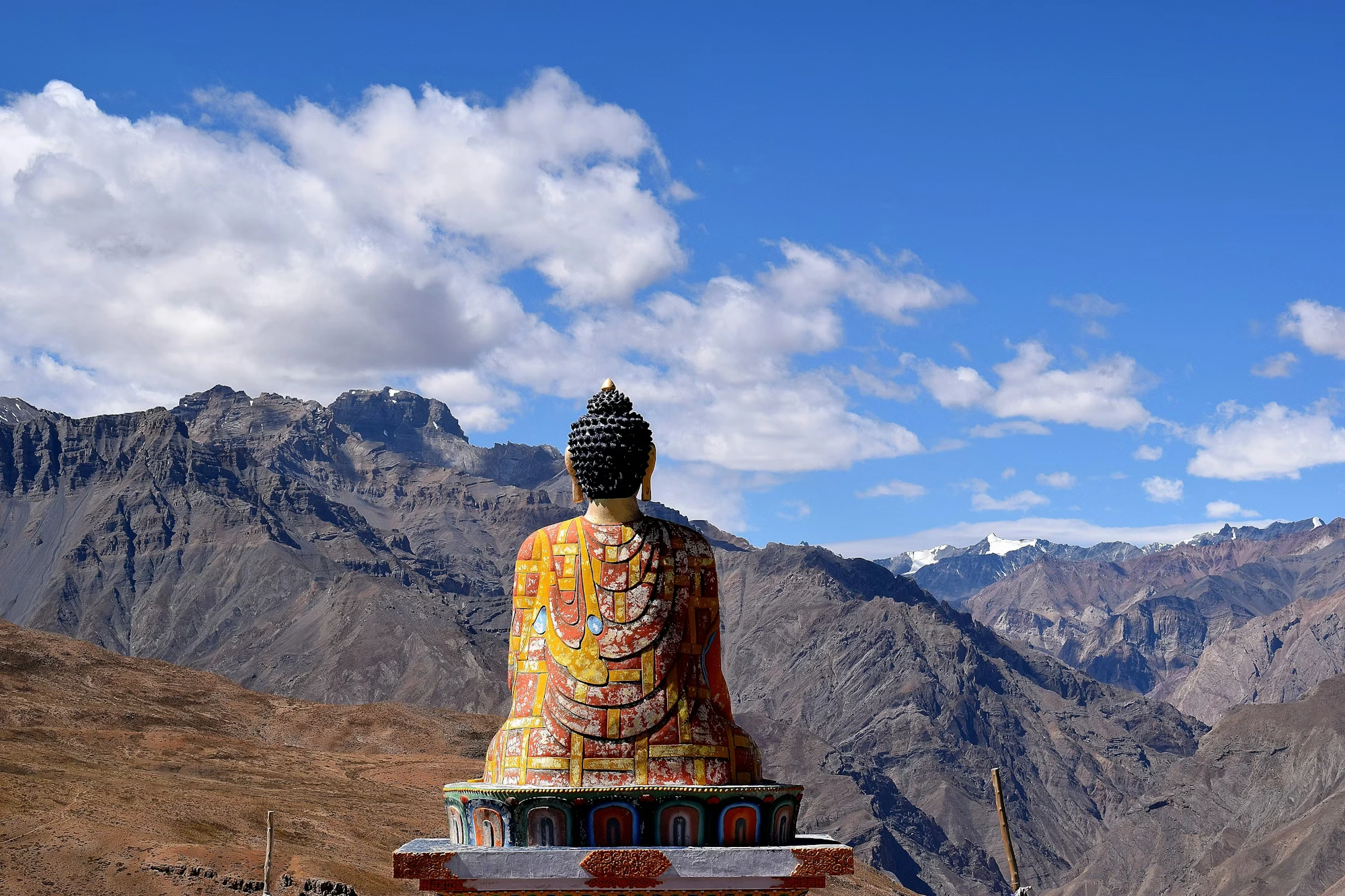
Fossil village where marine fossils from the Tethys Sea era lie scattered across hillsides. The giant Buddha statue overlooks this surreal landscape frozen in geological time.

Best Time to Visit Spiti Valley

Plan your trip based on the perfect season

June to September

Only months when Spiti is accessible via Manali through Rohtang and Kunzum passes. Temperatures range from 5°C to 20°C during the day, dropping below freezing at night. All monasteries, homestays, and roads operational.

October to Mid-October

Shoulder season offers clear skies and fewer tourists before winter closure. The Shimla route via Kinnaur remains open longer than Manali. Temperatures drop significantly; carry heavy woolens. Some homestays begin closing.

May (via Shimla route only)

The Shimla-Kinnaur route opens earlier than Manali route, allowing pre-season access to lower Spiti Valley. Manali route remains snowbound. Limited accommodation operational; confirm bookings in advance for this experimental travel period.

How to Reach Spiti Valley

By Road

Two routes: (1) Manali via Rohtang Pass and Kunzum Pass, 200 km, accessible June-October; (2) Shimla via Kinnaur, 412 km, opens May-November. Both involve challenging mountain roads requiring sturdy vehicles. HRTC buses operate on both routes during season. Private taxis recommended for flexibility.

By Train

No railway connectivity. Nearest broad-gauge station is Shimla (412 km) with toy train from Kalka. Chandigarh (460 km via Shimla route) or Pathankot (500 km via Manali route) offer major railheads. Road journey essential from any railhead.

By Air

Bhuntar Airport near Kullu (250 km via Manali route) operates flights from Delhi. However, road closures can strand travelers. No direct air access; helicopter services occasionally operate for emergencies only. Plan multi-day buffer for weather-related delays.

whatsapp